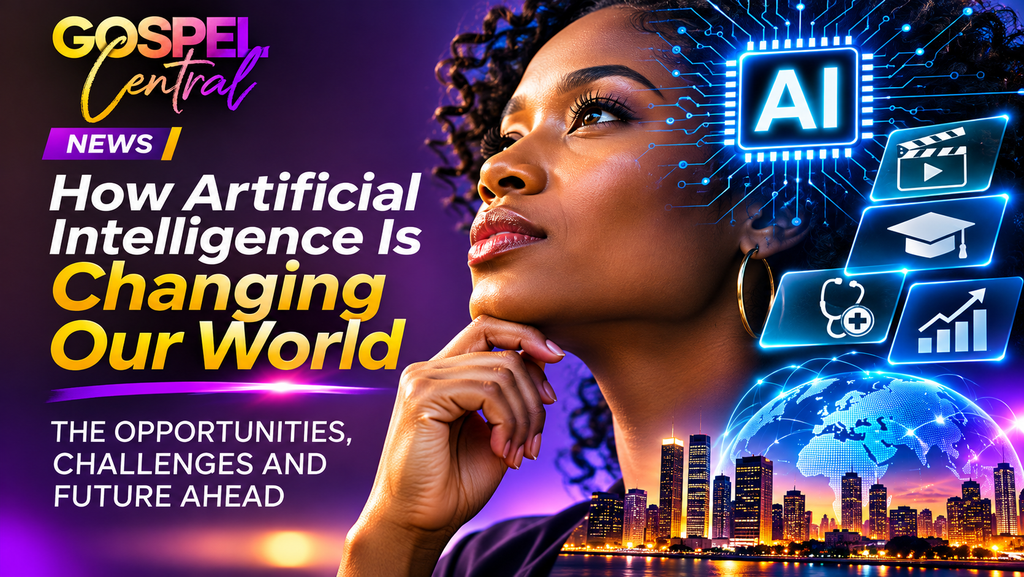
Artificial intelligence is no longer a concept reserved for science fiction or the distant future. It is already changing how people work, communicate, learn, create and interact with the world around them. From virtual assistants and personalized recommendations to advanced medical research and creative technology, AI is becoming part of everyday life. Tasks that once required hours of work can now sometimes be completed in minutes.
Transforming Everyday Life
Businesses are using AI to improve operations, analyze information and assist customers. In entertainment, filmmakers, musicians and content creators are exploring new ways to use the technology to develop ideas and produce content.
Education is also evolving, with AI-powered tools helping students understand difficult subjects and giving educators additional learning resources. In healthcare, AI is helping professionals analyze medical images, identify patterns and support research. The possibilities are significant, but the changes also bring important questions.
The Challenges We Cannot Ignore
As AI becomes more widely used, concerns about job displacement, privacy, misinformation and the misuse of technology continue to grow. AI can generate realistic images, videos and audio that may be used to mislead people or imitate someone’s identity. It can also provide inaccurate information, making fact-checking and responsible use essential.
Businesses and workers must also consider how automation could reshape certain careers and what new skills may be needed in the years ahead.
The Human Element Still Matters
While artificial intelligence can process information and complete tasks at remarkable speeds, human creativity, compassion, experience and judgment remain valuable.
In journalism, technology may assist with research, but responsible reporting still requires verification and editorial oversight. In entertainment, AI may help with production, but human perspectives and creative expression continue to matter.
The goal should not simply be to embrace every new technology, but to understand how to use it responsibly.
Preparing for the Future
Artificial intelligence will likely become even more integrated into everyday life. Individuals, businesses, schools and governments will face important decisions about how it should be developed, regulated and used.
Learning how AI works, recognizing its limitations and adapting to new opportunities will help people navigate the changes ahead.
AI is changing our world, but technology alone will not determine our future. The decisions people make and how responsibly they use these powerful tools will matter just as much. The transformation is already underway. The bigger question is how we will choose to shape the future alongside it.
About the Author